
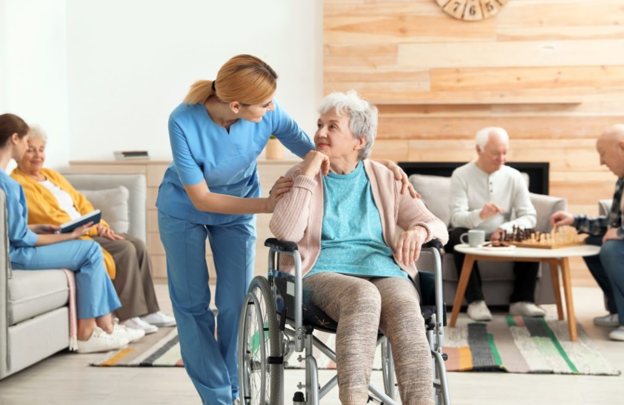
Supported Living Services : Someone exits institutional care, discovering they could do things they thought impossible. Years spent believing they needed constant supervision become obvious as unnecessary restrictions. Then proper support arrives, and ordinary activities become possible. Going to a café alone. Choosing what to eat. Deciding when to go to bed. These seem trivial until you realise they’ve been denied unnecessarily. Supported living services reveal how much people restrict themselves within institutional frameworks. The restrictions become normalised, so people internalise them as personal limitations rather than system failures. Once genuine support enables different choices, anger emerges at years lost, believing they couldn’t manage the independence they actually possessed. The revelation transforms how they see themselves and what they believe is possible going forward.
How Support Can Become Hidden Control Rather Than Enablement
Support workers often function as gatekeepers, deciding what people should do rather than enabling their own decisions. Supported Living Services : A worker might believe someone can’t manage employment and discourage attempts. Another might restrict social activities, claiming they’re too risky. The support framed as protective becomes constraining. Supported living services fail when workers prioritize safety and control over independence and choice. Genuine support means helping people attempt things even when risk exists. It means stepping back when capability proves possible. It means accepting choices you disagree with because they’re not your life to control. This distinction separates actual supported living from paternalistic systems masquerading as support. Real services enable people to try things and fail rather than preventing attempts to protect against failure.
Why Institutional Thinking Persists Even In Community Settings
People exit institutions physically, but institutional thinking follows them into supported living if systems aren’t deliberately designed differently. Staff schedule activities according to their convenience rather than preferences. Mealtimes remain fixed. Bedtimes are determined by others. These institutional patterns persist because nobody consciously dismantled them during the transition. Genuine supported living requires actively eliminating institutional thinking and replacing it with person-centred approaches. This deliberate reconstruction proves harder than people anticipate because institutional thinking becomes embedded in how organizations operate. Supported Living Services : Real change requires constant vigilance and a willingness to challenge practices that seem efficient but actually undermine independence and choice. Without conscious effort, systems simply replicate institutional patterns under different names.
How Genuine Relationships Matter More Than Services
Support workers providing care according to protocols create transaction relationships rather than genuine connections. Supported Living Services : Someone visits three times weekly, completes tasks, documents progress, and leaves. The relationship exists only because employment requires it. Genuine supported living depends on relationships where people actually care about each other’s well-being beyond contractual obligations. Real support workers remember preferences because they genuinely care, not because procedure requires documentation. They celebrate successes because they’re invested in people’s achievements. They advocate when systems fail people. These genuine relationships enable the trust necessary for someone to attempt difficult changes. Without relational connection, support remains hollow regardless of how person-centred systems claim to be.
Why Isolation Becomes So Normalised People Forget It’s Happened
Long-term institutional care creates isolation, so gradually people stop recognising it as unusual. Someone spends years primarily interacting with paid support workers and other residents. Genuine friendships outside the system remain rare. Community participation becomes limited to scheduled activities. Supported Living Services : Then, supported living supposedly creates community access, but without genuine relationships, community involvement remains superficial. Someone might attend activities where they interact with no one genuinely. They participate in their neighbourhood, but nobody knows them. Meaningful community integration requires actual relationships with people who choose to spend time together. Services can facilitate access, but cannot manufacture a genuine human connection.
How Choice Becomes Overwhelming After Years Without It
Freedom feels terrifying when someone hasn’t exercised it for years. Deciding what to eat becomes paralysing after years of predetermined menus. Choosing activities feels impossible after years of scheduled programming. Making decisions about support needs feels overwhelming after years of having decisions made for them. Genuine support means patiently helping people relearn decision-making skills without rushing them towards independence. It means tolerating uncertainty while people figure out their own preferences. It means accepting slow progress because rushing destroys emerging confidence. Supported Living Services : This patience proves rare in systems focused on efficiency and measurable outcomes rather than genuine development of capability and autonomy.
Conclusion
Supported living services genuinely enable independence only when they prioritise relationships over transactions, actively eliminate institutional thinking embedded in systems, and tolerate risk, enabling people to discover their actual capabilities rather than remaining confined within others’ limiting beliefs about what they can manage independently. Real supported living requires support workers committed to genuine relationships with people rather than simply delivering services efficiently according to protocols. Services alone cannot create the genuine relationships and community belonging that make life meaningful. Supported Living Services : Only through commitment to person-centred approaches that prioritise human connection alongside practical support can genuine independence genuinely emerge.