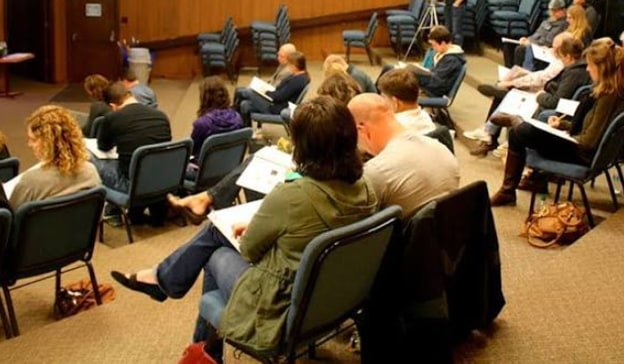
Most couples who end up in a workshop environment are not there because the relationship has collapsed they are there because something that used to feel fluid has become effortful, and neither person can quite identify when or why that happened. The relationship is technically fine. They care about each other, they manage the household, and they show up for the important moments. What has quietly eroded is the quality of genuine contact the feeling that the other person actually sees what is going on for you rather than responding to a version of you that is mostly inferred from habit. Couples workshops address this specific erosion rather than the dramatic crises that tend to dominate popular narratives about relationship difficulty, which is why people who attend them often describe the experience as more relevant to their actual situation than they expected it to be.
The Skills Nobody Taught Anyone
Somewhere in the general assumption that adult relationships should be navigable through a combination of love, commitment, and basic decency, the specific and learnable skills that actually sustain close partnerships over time got quietly left out of most people’s education. Listening without constructing a response. Expressing a need without embedding a criticism inside it. Staying curious about a partner’s experience during a conflict rather than focusing on winning the point or managing the discomfort. Reaching for repair before a rupture has had time to calcify into the kind of resentment that eventually becomes a defining feature of the relationship’s emotional landscape. These are not intuitive capacities — they are skills, and they develop through structured practice rather than through the accumulated experience of a relationship that has been operating without them.
What Dedicated Time Actually Produces
Couples workshops create something that most partnerships struggle to generate independently — uninterrupted time that is specifically structured around the relationship rather than around everything else that normally occupies the space between two people who are genuinely busy and genuinely tired. The effect of concentrated, phone-free, professional facilitated time together tends to surface things that both partners knew were present but had stopped finding moments to actually address — not because they did not care, but because daily life consistently fills the available space before the important conversations find their way onto the agenda. This is not a function of relationship quality — it is a function of modern life, and creating structural protection against it is one of the more immediately practical things a workshop provides.
The Pattern Underneath the Argument
Most recurring relationship conflicts are not really about what they appear to be about, and most couples who have been having the same argument in different forms across several years have not identified this clearly enough to change the dynamic. The disagreement about spending, or scheduling, or how much time is spent with each other’s families is almost always carrying something underneath it — a fear about security, a need for autonomy, a feeling of not being considered — that neither person has found a way to express directly because the language for it is not readily available and the safety for it has been compromised by previous attempts that did not land well. Couples workshops provide both the language and the safety simultaneously, which is what makes the pattern recognition that happens in these environments feel different from conversations the couple has already tried to have on their own.
What Changes After a Workshop
The changes that follow a well-facilitated couples workshop tend to compound rather than fade, which distinguishes them from the short-lived improvements that sometimes follow a good holiday or an honest conversation that neither person quite knows how to build on. What gets embedded in a workshop is not a resolved conflict or a temporary mood it is a set of skills and a shared language that both partners carry back into the relationship and can return to independently rather than needing the external facilitation to access again. The conversations that become possible after a workshop are different from the ones that were possible before it, which is what produces the lasting change rather than a temporary shift in how the couple is feeling about each other at the end of a weekend.
Conclusion
Couples workshops give partners access to skills, insights, and structured experience that most relationships genuinely need but rarely find a way to seek out deliberately, and the changes that follow tend to compound over time rather than dissolving once the immediate experience has passed. The relationship that invests in this kind of intentional development becomes more resilient, more genuinely connected, and more capable of navigating difficulty without the accumulated damage that unresolved patterns and absent skills produce across a long shared life.