
Introduction
Well Health Organic: In today’s fast-paced world, people are becoming more conscious about their health than ever before. Instead of relying only on processed foods and synthetic supplements, many individuals are choosing natural alternatives to improve their overall well-being. This growing interest has made Well Health Organic a popular topic among health-conscious readers looking for practical and natural lifestyle solutions.
Well Health Organic represents a holistic approach to healthy living by promoting balanced nutrition, organic foods, natural remedies, regular physical activity, and mindful habits. Rather than focusing on quick fixes, it encourages sustainable lifestyle changes that support long-term wellness. Whether your goal is to improve digestion, strengthen immunity, or increase daily energy, adopting organic health practices can make a significant difference.
Table of Contents
What Is Well Health Organic?
Well Health Organic is a concept centered on achieving better health through natural and organic methods. It emphasizes reducing exposure to harmful chemicals, preservatives, and artificial ingredients while embracing whole foods, herbal remedies, and healthy daily routines.
Unlike restrictive diets or temporary health trends, this approach promotes a balanced lifestyle that supports both physical and mental well-being. It encourages people to choose fresh fruits, vegetables, whole grains, healthy fats, and naturally sourced products whenever possible.
The primary goal is not perfection but consistent healthy habits that contribute to a stronger body and a healthier mind.
Benefits of Following Well Health Organic Principles
Choosing an organic and natural lifestyle offers numerous health advantages. Some of the most important benefits include:
Improved Nutrition
Organic foods are often grown without synthetic pesticides and chemical fertilizers. Many people choose them because they prefer foods produced through natural farming methods. Eating a diet rich in fresh produce, legumes, nuts, and seeds provides essential vitamins, minerals, and antioxidants.
Better Digestive Health
Whole foods contain dietary fiber that supports healthy digestion. Fiber helps regulate bowel movements, promotes beneficial gut bacteria, and may reduce digestive discomfort.
Stronger Immune System
A balanced diet filled with nutrient-rich foods helps provide the vitamins and minerals your immune system needs to function effectively. Foods rich in vitamin C, zinc, and antioxidants contribute to overall immune health.
Increased Energy Levels
Replacing processed snacks with wholesome organic foods can help maintain more stable energy throughout the day. Natural carbohydrates, healthy proteins, and good fats provide long-lasting fuel for the body.
Organic Foods to Include in Your Diet
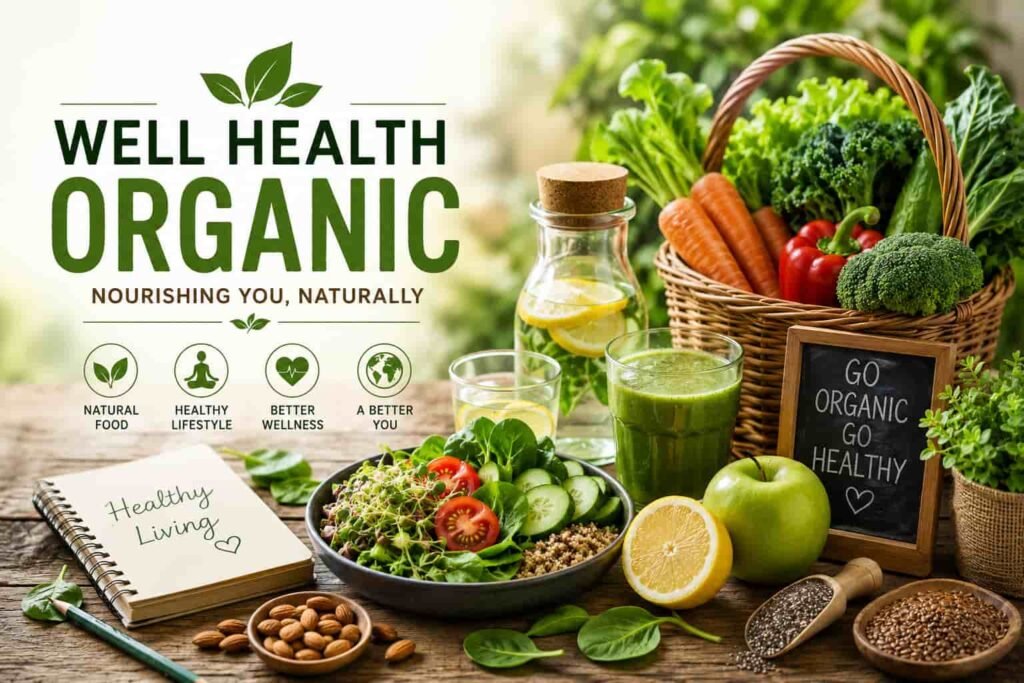
A healthy organic lifestyle starts with choosing nutrient-dense foods. Consider adding the following to your meals:
Fresh Fruits
Seasonal fruits like apples, bananas, berries, oranges, and mangoes supply vitamins, fiber, and natural antioxidants that support overall health.
Green Vegetables
Spinach, broccoli, kale, cucumbers, and leafy greens are packed with nutrients that contribute to healthy skin, bones, and immune function.
Whole Grains
Brown rice, oats, quinoa, and whole wheat provide complex carbohydrates that help maintain steady energy levels and improve digestion.
Healthy Protein Sources
Beans, lentils, eggs, fish, yogurt, and organic poultry provide high-quality protein necessary for muscle repair and body functions.
Healthy Fats
Avocados, olive oil, walnuts, almonds, flaxseeds, and chia seeds contain beneficial fats that support heart and brain health.
Natural Lifestyle Habits That Support Wellness
Following the Well Health Organic philosophy extends beyond food choices. Daily habits also play an important role.
Stay Hydrated
Drinking enough water supports digestion, regulates body temperature, and helps transport nutrients throughout the body. Herbal teas can also be a healthy addition to your hydration routine.
Exercise Regularly
Physical activity improves cardiovascular health, strengthens muscles, enhances flexibility, and reduces stress. Even a daily 30-minute walk can make a noticeable difference.
Get Enough Sleep
Adults generally benefit from seven to nine hours of quality sleep each night. Proper rest allows the body to recover and supports mental clarity.
Practice Stress Management
Chronic stress can negatively affect both physical and mental health. Meditation, deep breathing exercises, journaling, or spending time outdoors can help manage daily stress.
Why Organic Living Is Becoming More Popular
Growing awareness about nutrition and environmental sustainability has encouraged many people to adopt organic lifestyles. Consumers increasingly look for products that contain fewer artificial ingredients and are produced using environmentally friendly farming practices.
Organic farming often emphasizes soil health, biodiversity, and reduced chemical usage. While organic products may sometimes cost more, many individuals value the farming practices and ingredient choices associated with them.
At the same time, people are becoming more interested in cooking fresh meals at home, reading ingredient labels, and making informed purchasing decisions.
Simple Tips to Begin Your Organic Health Journey
Starting a healthier lifestyle doesn’t require dramatic changes. Small, consistent improvements often produce lasting results.
- Add one extra serving of vegetables to your meals each day.
- Replace sugary beverages with water or herbal tea.
- Choose whole grains instead of refined grains.
- Reduce highly processed snacks and opt for fresh fruit or nuts.
- Read food labels before purchasing packaged products.
- Cook homemade meals more frequently.
- Spend time outdoors and stay physically active.
- Develop a consistent sleep schedule.
Making gradual changes allows healthy habits to become part of your everyday routine.
Common Misconceptions About Organic Living
Some people believe that organic living is expensive or difficult to maintain. While certain organic products can cost more, many affordable options exist, including seasonal fruits, vegetables, beans, oats, and whole grains.
Another misconception is that organic foods alone guarantee perfect health. In reality, overall wellness depends on multiple factors, including balanced nutrition, regular exercise, sufficient sleep, stress management, and healthy daily habits.
Organic living should be viewed as one component of a comprehensive healthy lifestyle rather than a single solution.
Conclusion
Well Health Organic promotes a practical and balanced approach to achieving better health naturally. By choosing nutrient-rich foods, staying physically active, managing stress, getting adequate sleep, and making mindful lifestyle decisions, individuals can support their long-term well-being.
The journey toward better health does not require perfection. Small, consistent improvements made every day often lead to meaningful results over time. Whether you’re beginning your wellness journey or looking to strengthen your existing healthy habits, embracing the principles of Well Health Organic can help you build a healthier, more sustainable lifestyle for years to come.