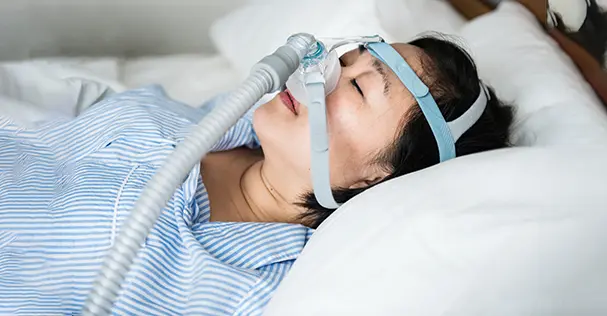
Sleep Apnea Treatment Here is a scenario that plays out more than people realise. Someone gets diagnosed with sleep apnea, picks up a CPAP machine, finds the mask unbearable after a few nights, and quietly puts it back in the box. Life goes on. The snoring continues, the mornings stay rough, and eventually they just accept that they are someone who does not sleep well. Nobody tells them what is actually happening inside their body while that machine sits unused. Sleep apnea treatment only delivers when it becomes a habit, not a one-week experiment — and understanding the real stakes is what makes that habit stick.
The Oxygen Problem Nobody Explains
Sleep Apnea Treatment Apnoea fools people because there is no dramatic waking moment they can point to. What actually happens is quieter. The brain detects a drop in oxygen and pulls the body just barely out of deep sleep to restore breathing — a micro-arousal so brief that no memory of it forms. This repeats throughout the night, sometimes relentlessly. Come morning, the person feels as though they slept because they did. They just never stayed asleep long enough for the body to actually recover. Running on that kind of broken rest is like charging a phone to forty per cent every night and wondering why the battery never lasts.
Why Tiredness Is the Least of It
Daytime fatigue is what brings most people to a GP, but it is honestly the most manageable part of the picture. What rarely gets discussed is what fragmented sleep does to blood sugar. When rest is broken night after night, cortisol climbs, and insulin stops working as efficiently as it should. Over time, this creates the conditions for type two diabetes – completely independent of what a person eats or how active they are. That catches people off guard. Most assume apnoea is a breathing and snoring issue. In reality, it meddles with metabolism in ways that build silently over months and years.
What Changes With Treatment
Sleep Apnea Treatment Interestingly, the first shift people notice after committing to sleep apnea treatment is not physical. It is emotional. The things that used to spark disproportionate frustration — a slow queue, a difficult colleague, a minor inconvenience — stop hitting as hard. Relationships feel easier. Reactions feel steadier. This is not imagined. The prefrontal cortex, which regulates impulse and emotional response, depends heavily on oxygenated deep sleep to function well. When breathing is corrected, and sleep runs its full course, that part of the brain gets what it has been missing. The change in temperament can be striking enough that people around them notice before they do.
The Underrated Role of Posture
Although it is rarely included in discussions regarding apnea, body posture during sleep is a significant component for many patients. The tongue and surrounding soft tissue are more likely to collapse against the airway when a person sleeps flat on their back. For many patients, most of their episodes are caused by this positional factor. Positional therapy, which basically teaches the body to prefer side sleeping, can greatly lower apnoeic episodes in conjunction with sleep treatment. It doesn’t require a prescription, a gadget, or a clinic visit. Starting with a firm cushion placed behind the back at sleep is frequently sufficient.
Long-Term Brain Health
Research in this area has been gathering pace, and the findings are difficult to ignore. Repeated oxygen drops during sleep appear to contribute to the build-up of proteins in the brain linked to Alzheimer’s disease. This is not a claim that apnoea causes dementia — the relationship is more nuanced than that. What it does suggest is that treating the condition proactively in middle age may offer a degree of neurological protection that will not be measurable for years. That long horizon is precisely why people delay. They feel fine now. The problem is that when the effects of untreated apnoea eventually surface, undoing them is far harder than preventing them.
Conclusion
Sleep apnea earned its image as an easy disorder to shrug aside. The repercussions occur slowly, the symptoms feel routine, and the remedies require considerable adjustment. But sleep apnea treatment, performed regularly, does more than restore sleep. It rebalances mood, steadies metabolism, decreases pressure on the heart, and may safeguard cognitive function far into later life. The harm from this situation develops gradually over time. So does the rehabilitation – and that recovery is totally worth starting.