Panoramic X-Ray: Searching for “panoramic x ray near me” usually means one thing: you need a fast, reliable, and full view of your teeth and jaw, and you want a clinic nearby that can deliver it without hassle.
Whether your dentist referred you for one, you’re preparing for orthodontic treatment, or you simply want a complete picture of your oral health, understanding what a panoramic x-ray is and how to find a trustworthy provider can make the entire process much smoother.
This guide breaks down everything you need to know — from what panoramic x-rays actually show, to how to choose a nearby clinic, to what to expect during your visit.
What Is a Panoramic X-Ray?
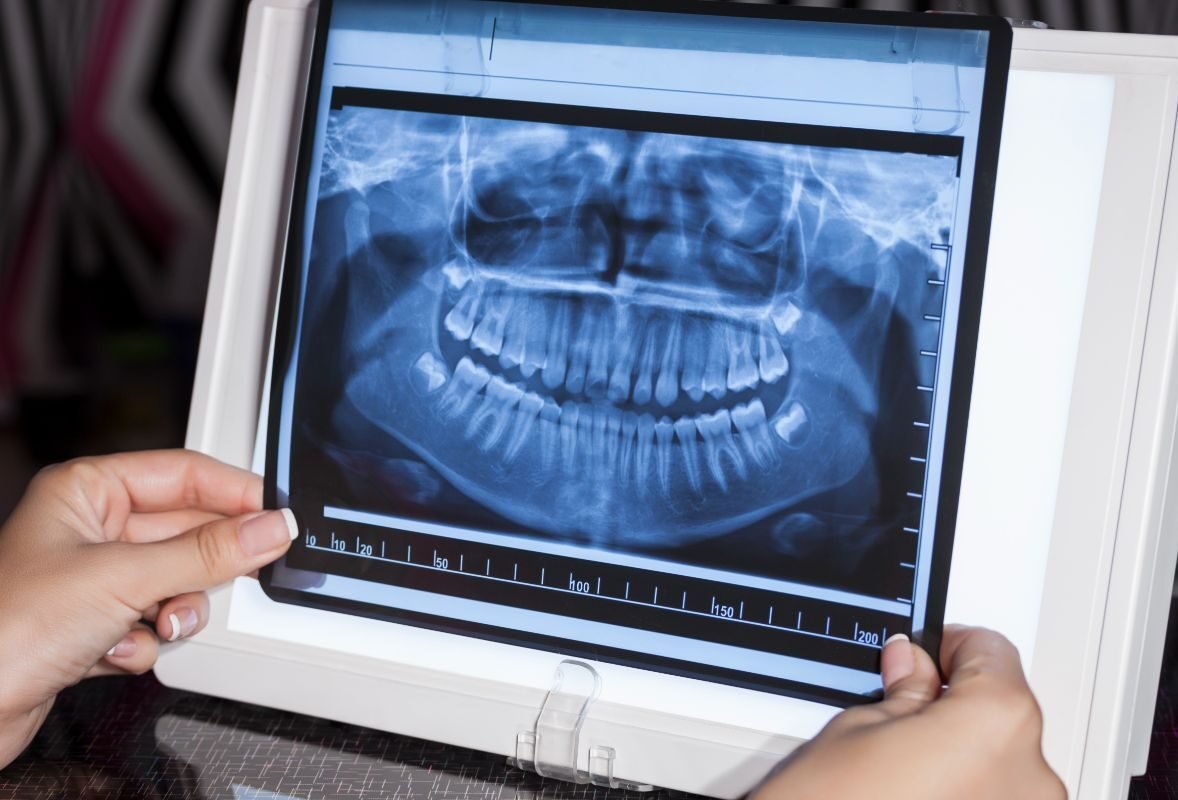
A panoramic x-ray, sometimes called a panoramic radiograph or “pano,” is a two-dimensional image that captures your entire mouth in a single scan. Unlike traditional bitewing x-rays that focus on a small section of teeth, a panoramic x-ray rotates around your head to produce a wide, flat image showing:
- All upper and lower teeth, including those not yet visible (like wisdom teeth)
- Both jawbones (the maxilla and mandible)
- The temporomandibular joints (TMJ)
- Sinus areas near the upper teeth
- Nerve pathways and bone structure
Because it covers so much ground in one image, dentists often use it as a starting point for diagnosis before recommending more targeted x-rays or treatments.
Why Dentists Recommend Panoramic X-Rays
Panoramic imaging isn’t just a routine formality — it plays a genuine diagnostic role. Common reasons a dentist may order one include:
- Evaluating wisdom teeth before extraction, to check positioning and root development
- Planning orthodontic treatment, including monitoring tooth eruption and root alignment
- Assessing dental implant candidacy, since the scan reveals bone density and structure
- Detecting cysts, tumors, or infections that aren’t visible during a standard visual exam
- Diagnosing jaw problems, including fractures or TMJ disorders
- Getting a baseline record for new patients, especially those switching clinics
According to the American Dental Association, panoramic radiography is specifically recommended as the initial imaging method for monitoring tooth eruption before orthodontic treatment, for evaluating third molars (wisdom teeth), and for initial assessment before dental implant procedures..
This guidance reflects the ADA’s broader recommendation that imaging be used judiciously — ordered when clinically necessary rather than as a routine default.
How to Choose the Right Clinic for a Panoramic X-Ray Near You
Not all clinics offering panoramic x-rays are equal. When searching locally, keep the following factors in mind.
1. Digital Imaging Technology
Digital panoramic x-ray machines produce clearer images with significantly lower radiation exposure than older film-based systems. Ask whether the clinic uses digital equipment before booking.
2. Turnaround Time
Some clinics can produce and review your panoramic image the same day, while others may take longer to process and send results. If you need the scan for an upcoming procedure or referral, confirm turnaround time in advance.
3. Experience with Specialized Cases
If your x-ray is being taken for a specific reason — implants, orthodontics, or oral surgery — look for a clinic with dentists experienced in interpreting those particular findings, not just general practitioners.
4. Pricing and Insurance Coverage
Costs for panoramic x-rays vary by location and clinic. Some dental insurance plans cover all or part of the cost, especially when the scan is medically necessary. It’s worth calling ahead to confirm pricing and whether your insurance is accepted.
5. Clinic Location and Convenience
Since the phrase “near me” implies convenience, prioritize clinics that are easy to reach, offer flexible scheduling, and have positive patient reviews for their imaging services specifically.
What to Expect During a Panoramic X-Ray Appointment
If you’ve never had a panoramic x-ray before, the process is quick and non-invasive. Here’s a general overview of what typically happens:
- Preparation: You’ll be asked to remove any metal objects — jewelry, glasses, or removable dental appliances — that could interfere with the image.
- Positioning: You’ll stand or sit still while biting down gently on a positioning device to keep your head steady.
- The scan: The machine’s arm rotates around your head, capturing the image in about 10 to 20 seconds.
- Review: Your dentist will review the image with you, pointing out any areas of concern or confirming that everything looks healthy.
The entire visit, including setup, usually takes no more than 15–20 minutes.
Is a Panoramic X-Ray Safe?
Radiation exposure is a common concern, but panoramic x-rays use very low doses, and modern digital equipment has reduced exposure even further compared to older systems.
Dental professionals also follow the ALARA principle — “As Low As Reasonably Achievable” — to ensure radiographs are only taken when clinically justified and at the lowest dose necessary.
Finding a Reliable Clinic Nearby
If you’re specifically looking for a panoramic x ray near me, it helps to choose a clinic that combines modern digital imaging with experienced staff who can interpret results accurately.
A good provider won’t just take the scan — they’ll walk you through what it shows and how it factors into your broader treatment plan, whether that’s orthodontics, implants, wisdom tooth removal, or a routine check on your overall oral health.
Final Thoughts
A panoramic x-ray is one of the most useful diagnostic tools in modern dentistry, offering a complete view of your teeth, jaw, and surrounding structures in a single, quick scan. When searching for a provider near you, prioritize digital technology, clear pricing, fast turnaround, and a clinic experienced in reading and explaining results.
Taking a little time to compare local options ensures you get accurate imaging and a treatment plan that’s actually built around what the x-ray reveals.