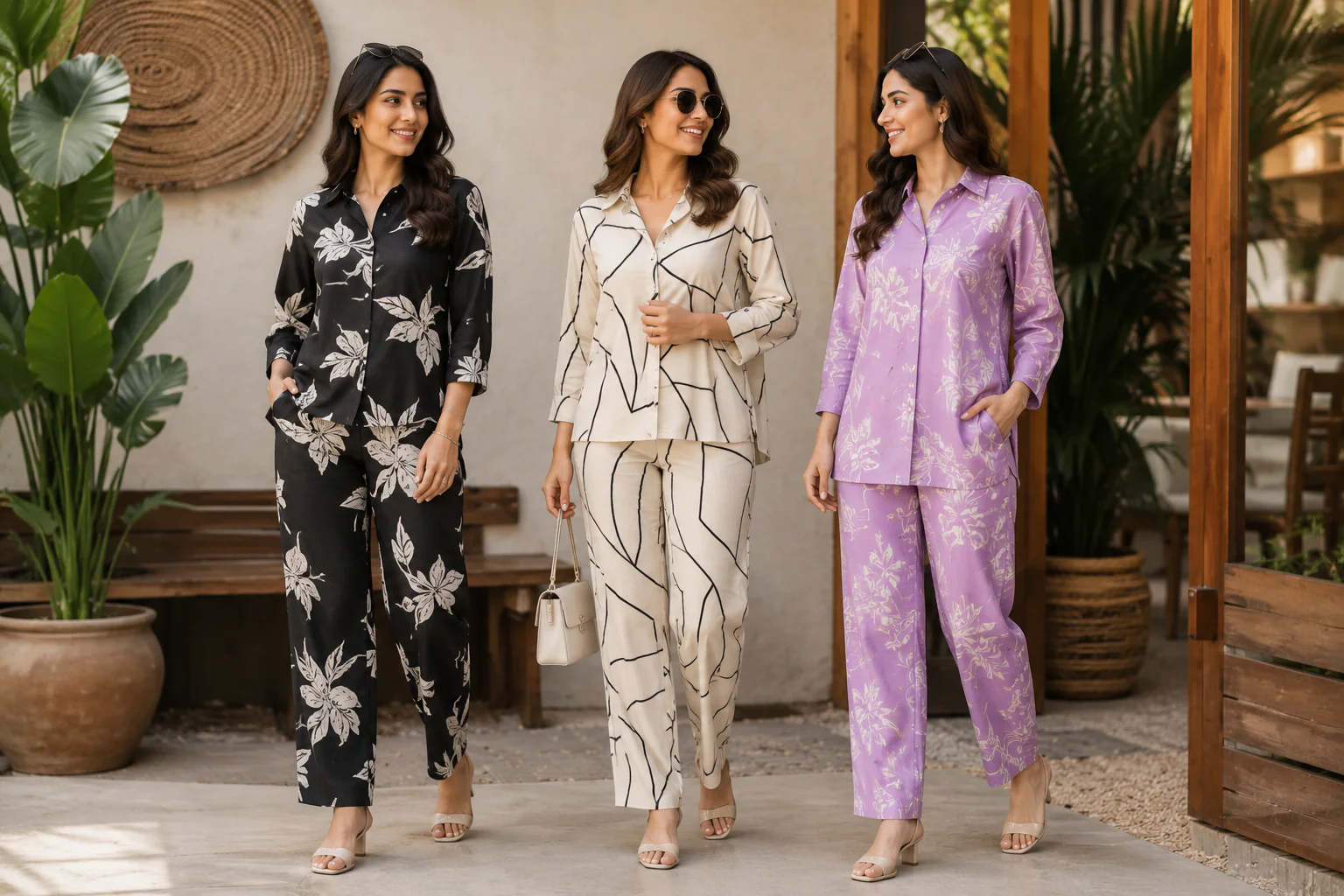
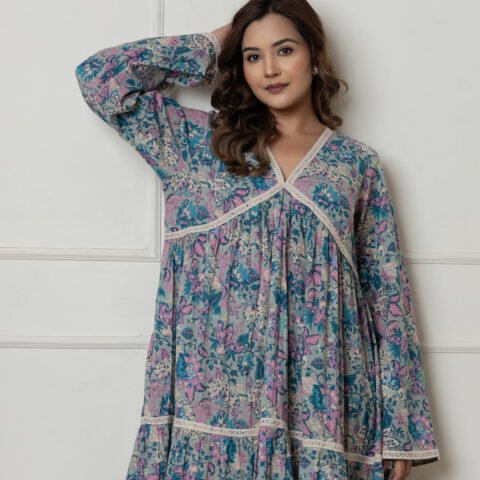
The Kurti Manufacturers in Jaipur is among the most vibrant sectors in the nation as it effectively integrates modern fashion with traditional creative expression. Kurtis from Jaipur are more than just clothes; they are reflections of the local culture, the workmanship of the artists creating them, and the new design trends appealing to ladies all throughout India and beyond.
A Custom Based on Workmanship
Over the years, ladies of all ages have grown to depend critically on the versatile and fashionable kurti for their outfits. The long-standing reputation of Jaipur as a center for the textile arts is closely related to the way kurtis are made there. By means of methods like hand-block printing, Sanganeri and Bagru prints, gota-patti work, mirror work, and embroidery, the creative legacy of the area defines the kurti-making.
Many times, Jaipur’s artists originate from families who have passed down their expertise of textile techniques for many generations in order of preservation. This consistency helps Jaipur kurtis to stand out in both local and international markets as it offers authenticity and skill to the designs. Many of the factories in the city still use hand techniques, which is evidence of the continuous relevance of human touch in the garment production sector. These hand-made activities include hand dyeing, printing, and hand sewing of textiles.
The Birth of Jaipur as a Kurtis Production Center
Over the last several years, Jaipur has been a significant hub for fashion entrepreneurs seeking outstanding ethnic apparel as well as for mass kurtis production. From tiny shops’ proprietors to owners of massive retail chains and companies only accessible online, these entities appeal to a broad spectrum of consumers.
The success of Jaipur in the apparel industry might be partially ascribed to the city’s skilled labor population and raw material availability—that of cotton, silk, rayon, and georgette. The producers in this area are adept at combining traditional elements with modern designs and styles to meet the changing needs of urban Indian ladies.
How Come Jaipur Kurtis Has Such a Broad Following?
The main reasons kurtis are made in Jaipur are their artistic diversity and great quality. From lightweight casual clothes to embellished celebration gowns, a kurti fit for any occasion is available. Simple cotton kurtis with printed patterns perfect for summer use to exquisitely embroidered clothing radiating festive grandeur differ in design from one another.
Using environmentally friendly printing methods such Dabu and Bagru and natural colors adds even another level of value. Customers who are realizing the value of sustainable fashion find that Jaipur kurtis complement their values.
Furthermore a common choice among individuals of all various economic levels is these clothes as they are reasonably priced, comfy, and fit well. The precise finishing and painstaking attention to detail point to the remarkable knowledge and dedication of the local producers toward their profession.
Adapting to the newest trends in fashion
Custom dictates no limitations on the kurti makers of Jaipur. Increasing numbers of designers are also creating attractive Indo-western fusion designs for younger audiences. This is in addition to the fact that many designers still concentrate on ethnic wear. Currently being manufactured in the fashion business are asymmetrical hemlines, high-low cuts, short kurtis worn with jeans, and modern designs.
Thanks to the integration of digital design tools and online order management systems, manufacturers are finding it simpler to follow the newest fashion trends all around. Working with manufacturers, design studios experiment with many patterns, sleeve designs, necklines, and fabric combinations. The classic kurti is able to remain relevant in the field of contemporary fashion by use of seasonal collections designed to fit the often shifting desires of consumers.
An Inside View of the Manufacturing Process Behind Scenes
Making a kurti in Jaipur starts with choosing the suitable fabric most usually. Among the materials used most regularly, cotton and rayon are highly prized for their comfort and adaptability for different printing techniques. Designing the garment comes next, after choosing the fabric; this include choosing the cuts, motifs, and patterns to be utilized.
Complicated patterns are imprinted into the fabric using wooden blocks hand-carved for the printing of block-printed kurtis. Reaching this calls not just precision but also a consistent hand. The fabric is allowed to dry after printing, then it might be cleaned or treated to firmly solidify the colors.
The tailoring stage comes in third, also quite important. Here is where every kurti is cut, sewed, and finished to guarantee uniform quality. Skilled experts oversee this section of the production to ensure that the measurements are exact and that the finishing meets necessary criteria.
Before their items are packaged and delivered, several manufacturers also utilize quality control techniques to closely review the stitching, print consistency, and colorfastness of their creations.
Local Area Economy and Employment:
Among the various sectors that greatly boost Jaipur’s economy and employment prospects is the kurti producing one. This company offers hundreds of tailors, designers, crafters, and support staff job chances as a means of livelihood. Many ladies employed in tailoring and finishing departments have the chance to be financially independent and a consistent source of income.
Small workshops and self-help groups in rural areas surrounding Jaipur engage in handwork and embroidery among other things. These events help communities to engage in the fashion industry. Often working with small producers, non-governmental organizations (NGRs) and local cooperatives help to ensure ethical labor conditions and equitable wages.
Kurtis from Jaipur, in the International Market
The introduction of e-commerce and the growing globalization of the business have made Jaipur kurtis relevant outside of India. Exporters deliver ready-made clothing in nations such the United States of America, the United Kingdom, the United Arab Emirates, and Australia where there is growing demand for Indo-ethnic clothing.
When it comes to finding unique objects that fairly capture the essence of Indian handiwork, foreign retailers usually go to Jaipur. Because of its unique mix of historical patterns, great tailoring, and cultural appeal, Jaipur kurtis have a particular edge in the fashion circles throughout the globe.
Clients all throughout the world may get the kurtis made in Jaipur by visiting many web sites like Amazon, Flipkart, and Myntra as well as a lot of independent stores. Exposed to the global market, local businesses have been compelled to incorporate digital marketing strategies, international sizing, and packaging standards.
Supporting Companies Driven by Artists
Many kurti designers call Jaipur home; some of them have since turned into artisan-oriented businesses. These companies, which directly work with nearby artists and women craftsmen, concentrate mostly on fair trade and ecologically friendly clothing. Apart from informing consumers on the cultural value of every garment, they promote transparency in the production line inside their own business.
The identities of companies like Anokhi, Gulab Chand, and Libas have been deftly built around Jaipur’s conventional taste. Simultaneously, these companies have effectively updated the customer experience by means of appealing designs, user-friendly websites, and social media participation correspondingly.
Supporting these businesses will not only provide you access to authentic and stylish kurtis but also help the craftspeople who preserve India’s textile legacy to be empowered.
Prospects of Jaipur for Future Kurtis Production
The kurti is extremely likely to remain a timeless garment as the fashion business grows, and Jaipur will always be a significant part of the production of this garment. The challenge will be in attempting to fulfill mass production criteria and worldwide competitiveness while also maintaining the quality of handcrafted work.
Digital innovations, automation, and ecologically conscious production ideas are expected to have a big impact on the next phase of Jaipur’s kurti manufacturing company. Improvements in technical infrastructure and training programs for craftspeople will help to further support its reputation as a fashion powerhouse.
Moreover, the industry is likely to gain from the growing demand in locally produced handmade goods. Customers are increasingly interested in buying clothes that tell a story, hence every Jaipur kurti with its design grounded in history and produced with care accomplishes precisely that.
Conclusion
Finding the creative ability of Kurti Manufacturers in Jaipur is like traveling across a planet in which invention and custom coexist. Important elements include appreciating the handwork, understanding of the cultural depth, and recognition of the present vitality driving the business on. Apart from clothes, the Jaipur kurti market offers a timeless story of uniqueness, perseverance, and craftsmanship. This is true whether your interests lie in fashion, retail, or conscious consumerism.